A new report by the Kenya Association of Manufacturers (KAM) has revealed that high and unpredictable logistics costs are undermining the competitiveness of Kenyan manufacturers and limiting their ability to benefit from the African Continental Free Trade Area (AfCFTA).
Launched in Nairobi, the Logistics Study Report highlights persistent inefficiencies across key regional trade corridors, which continue to offset the gains made through tariff reductions under AfCFTA.
According to the findings, transporting a 20-foot container along the Nairobi–Lusaka corridor costs between $3,500 and $7,000, with transit times ranging from eight to 30 days depending on border delays and operational disruptions.
Despite AfCFTA opening access to 54 African markets, the report notes that many Kenyan manufacturers—particularly small and medium-sized enterprises (SMEs)—are unable to take full advantage due to systemic logistics challenges.
These include high freight costs, infrastructure gaps, border inefficiencies, and limited cargo consolidation options.
Speaking at the launch, Juma Mukhwana, Principal Secretary in the State Department for Trade, said the government is working to create a more enabling environment for businesses by addressing structural barriers.
He emphasized the need for Kenya and the broader continent to shift from exporting raw materials to building value locally and regionally.
According to Mukhwana, investments in infrastructure, support for SMEs, and stronger regional integration will be critical in unlocking Africa’s trade potential.
He also pointed to ongoing initiatives such as the Standard Gauge Railway and the development of County Aggregation and Industrial Parks aimed at improving efficiency and market access.
KAM Chief Executive Tobias Alando said logistics has emerged as the biggest constraint to competitiveness, surpassing market access.
“While markets are opening, the systems that connect us to those markets are not moving at the same pace,” Alando said.
“In many cases, logistics costs now outweigh the benefits of tariff reductions, meaning that even when markets are open, products are not competitive by the time they arrive.”
From the SME perspective, Harriet Ngo’k, Chair of the KAM SME Hub and founder of Harriet Botanicals, highlighted the disproportionate burden faced by smaller businesses.
She revealed that exporting goods worth KSh 30,000 can cost as much as KSh 14,000 to Rwanda, KSh 17,000 to Nigeria, KSh 38,000 to Australia, KSh 30,000 to the United States, and about KSh 10,000 to Qatar.
These high and volatile costs, she said, directly influence market choices and profitability.
Ngo’k also raised concerns about delays along major trade routes, particularly for perishable goods.
She noted that shipments to nearby markets such as Uganda can take up to 10 days, significantly reducing product shelf life and increasing the risk of rejection.
TradeMark Africa Country Director Lilian Mwai said the study provides a critical foundation for targeted reforms.
“This report goes beyond identifying challenges—it pinpoints the real bottlenecks affecting Kenyan manufacturers, particularly SMEs,” Mwai said, citing high clearance costs, infrastructure delays, and inefficiencies in logistics systems as key issues.
The report recommends a series of interventions, including improved coordination among border agencies, increased investment in reliable infrastructure, and the development of cargo aggregation mechanisms to help SMEs reduce costs and improve access to regional markets.
The study was conducted with support from TradeMark Africa, with funding from the UK government through the Foreign, Commonwealth and Development Office (FCDO), as part of ongoing efforts to strengthen trade facilitation and export competitiveness in Kenya.
Also Read

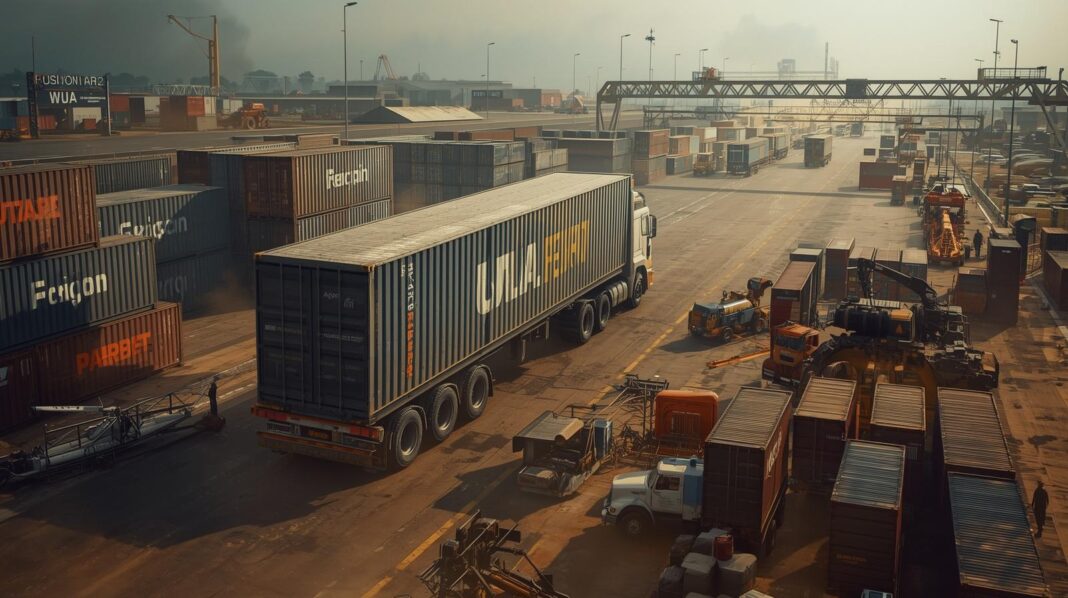


 has revealed that high and unpredictable logistics costs are undermining the competitiveness of Kenyan manufacturers and limiting their ability to benefit from the African Continental Free Trade Area (AfCFTA).)