
Johannesburg, South Africa — Two senior executives from global logistics company DP World will deliver keynote addresses at the Global Cold Chain Alliance (GCCA) African Cold Chain Conference 2026, highlighting the growing importance of integrated logistics and modern cold chain infrastructure in supporting Africa’s trade ambitions.
Scheduled for September 2–3, 2026, in Johannesburg, the conference will bring together cold chain operators, logistics providers, infrastructure developers, technology companies, food producers, retailers, policymakers, and investors under the theme “It’s Time for Dialogue: Exploring Progress, Priorities, and Partnerships.”
The event comes at a pivotal time as African countries continue investing in temperature-controlled logistics to improve food security, reduce post-harvest losses, strengthen pharmaceutical distribution, and expand regional and international trade.
DP World to Share Integrated Logistics Strategy
Among the conference’s keynote speakers will be William Sears, Chief Commercial Officer – Logistics for Africa at DP World, and Mohammed Mahomedy, Head of Infrastructure and Rail for Africa.
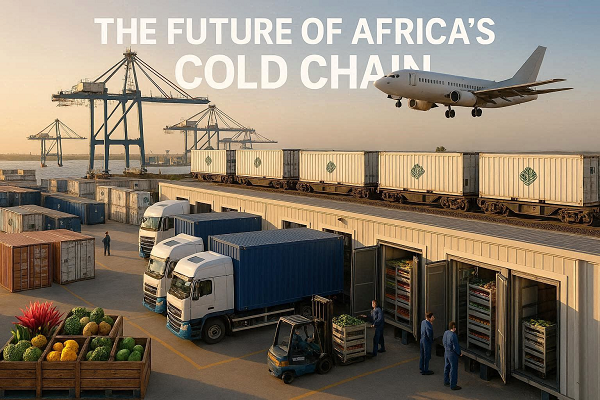
Together, the executives are expected to discuss how DP World is developing integrated logistics networks that connect ports, railways, road transport, warehousing, and inland logistics facilities across the continent.
DP World operates in more than 75 countries and employs over 126,000 people from 169 nationalities.
In Africa, the company continues expanding its logistics footprint through investments in ports, inland terminals, freight forwarding, rail connectivity, and supply chain solutions designed to improve cargo movement between producers and global markets.
William Sears brings more than two decades of experience in logistics and supply chain optimization. Before joining DP World leadership following the acquisition of Imperial in 2022, he held several senior positions within the South African logistics sector.
Mohammed Mahomedy leads DP World’s rail and infrastructure strategy across Africa, focusing on developing integrated transport corridors that improve cargo efficiency while supporting long-term economic growth throughout the continent.
Their presentations are expected to demonstrate how integrated logistics can help businesses reduce transportation costs, shorten delivery times, improve cargo visibility, and strengthen supply chain resilience.
Cold Chain Logistics Becoming a Strategic Priority
Temperature-controlled logistics has evolved from a niche segment into one of Africa’s fastest-growing logistics sectors.
Rapid urbanization, expanding supermarket networks, rising pharmaceutical demand, growing food exports, and increasing consumer expectations for fresh products are driving investment in refrigerated transportation and cold storage facilities throughout the continent.
Many African countries continue to lose significant volumes of agricultural produce after harvest due to inadequate storage and transportation infrastructure.
Modern cold chain systems help preserve product quality from farms and processing facilities to distribution centers and retail outlets, reducing waste while improving profitability for farmers and exporters.
Reliable refrigerated logistics also play a critical role in healthcare by ensuring vaccines, medicines, laboratory samples, and other temperature-sensitive medical products reach healthcare facilities safely.
As governments pursue greater food security and stronger export performance, investment in cold chain infrastructure is increasingly viewed as essential rather than optional.
Integrated Logistics Is Reshaping African Supply Chains
One of the conference’s central themes—integrated logistics—reflects a broader shift occurring across Africa’s transport and supply chain industry.
Traditionally, cargo movement has often involved fragmented transport systems, limited coordination between ports and inland transport, and infrastructure bottlenecks that increase logistics costs.
Integrated logistics seeks to connect every stage of the supply chain through coordinated infrastructure, digital technologies, and multimodal transportation.
For businesses, this approach offers several advantages, including:
- Faster cargo movement across borders
- Improved visibility throughout the supply chain
- Reduced transportation costs
- Lower inventory holding costs
- Better reliability for exporters and importers
- Greater resilience during supply chain disruptions
Companies such as DP World are increasingly investing beyond ports by developing logistics parks, inland container depots, rail services, freight forwarding operations, and warehousing facilities that create seamless end-to-end supply chain solutions.
Digital Innovation Driving the Next Generation of Cold Chains
Technology is becoming a defining feature of modern cold chain operations.
Across Africa, logistics providers are adopting digital tools that improve monitoring, efficiency, and decision-making throughout refrigerated supply chains.
Among the technologies gaining traction are:
- Internet of Things (IoT) sensors for real-time temperature monitoring
- GPS fleet tracking for refrigerated transport
- Artificial intelligence for demand forecasting and inventory optimization
- Cloud-based warehouse management systems
- Predictive maintenance for refrigeration equipment
- Electronic documentation that simplifies customs clearance
These innovations enable operators to detect potential temperature excursions before products are compromised, helping reduce waste and improve compliance with international food safety standards.
Digitalization also provides customers with greater transparency, allowing them to track shipments and verify product integrity throughout transportation.
Cold Chain Investment Supports African Trade
Improving temperature-controlled logistics has become increasingly important as African countries work to expand regional commerce under the African Continental Free Trade Area (AfCFTA).
Many agricultural products, seafood, dairy, meat, flowers, and pharmaceutical goods require continuous temperature control during storage and transportation. Without adequate cold chain infrastructure, exporters face higher losses, reduced competitiveness, and limited access to premium international markets.
Modern cold storage facilities and reliable refrigerated transport networks help producers maintain product quality while extending shelf life, making it easier to reach consumers across Africa and overseas.
As demand for fresh and processed foods continues to rise, efficient cold chains are expected to play an increasingly important role in supporting intra-African trade and strengthening export competitiveness.
More Industry Leaders Join the Conference
Alongside the DP World executives, the conference will feature presentations from several respected logistics and cold chain professionals.
Speakers include Brent Melvin, General Manager of RSA Logistics Dubai, who will discuss the cold chain sector’s response to major supply chain disruptions in the Middle East.
Dr. John Deng Diar Diing, Executive Secretary of the Northern Corridor Transit and Transport Coordination Authority, will examine how regional transport corridors can strengthen intra-African trade.
Dr. Newton Matope, Chief Executive Officer of Cold Solutions Kenya and GCCA Africa Chairman, will explore the current state of Africa’s temperature-controlled logistics industry and its future opportunities.
Sara Stickler, President and CEO of GCCA, together with Adam Thocher, Senior Vice President of Global Market Engagement, will outline GCCA’s strategic priorities and ongoing initiatives supporting cold chain development across Africa.
Collectively, these sessions will offer participants practical insights into infrastructure development, regulatory changes, operational best practices, and future investment trends.
Why the Conference Matters
The GCCA African Cold Chain Conference arrives at a time when Africa’s logistics sector is undergoing significant transformation.
Population growth, urbanization, expanding retail networks, pharmaceutical distribution, and increasing agricultural exports are placing greater demands on efficient temperature-controlled supply chains.
At the same time, businesses face challenges ranging from infrastructure gaps and rising energy costs to evolving regulatory requirements and climate-related disruptions.
The conference provides an opportunity for industry leaders to exchange ideas, evaluate new technologies, discuss investment opportunities, and develop partnerships capable of strengthening the continent’s logistics ecosystem.
For cold storage operators, transport companies, food producers, retailers, exporters, technology providers, investors, and government agencies, the event offers valuable insight into the direction of one of Africa’s most important emerging logistics sectors.
Looking Ahead
Cold chain logistics is expected to remain a major area of investment as African economies continue modernizing their transport infrastructure and expanding regional trade.
The participation of DP World’s senior leadership underscores the increasing importance of integrated logistics strategies that connect ports, rail, road transport, warehousing, and digital supply chain technologies into a unified network.
As discussions begin in Johannesburg this September, the conference is likely to shape future conversations around infrastructure investment, supply chain resilience, sustainable logistics, and the partnerships needed to build a stronger, more connected cold chain across Africa.
With demand for efficient temperature-controlled logistics continuing to grow, the GCCA African Cold Chain Conference 2026 is positioned to become one of the continent’s most significant industry gatherings for businesses seeking to capitalize on the next phase of Africa’s logistics transformation.
Also Read
- Cold chain logistics in Africa: Challenges, opportunities, and future growth
- World’s Top 10 Cold Chain Logistics Companies: Leaders in Temperature-Controlled Shipping

- Inside Isuzu’s Plan to Make South Africa the Truck Manufacturing Hub for Africa - October 12, 2026
- UPF Group Expands African Logistics Network with New Rwanda Office - September 18, 2026
- DP World’s Africa Network Is Growing While Jebel Ali Takes a Heavy Hit - August 15, 2026

