
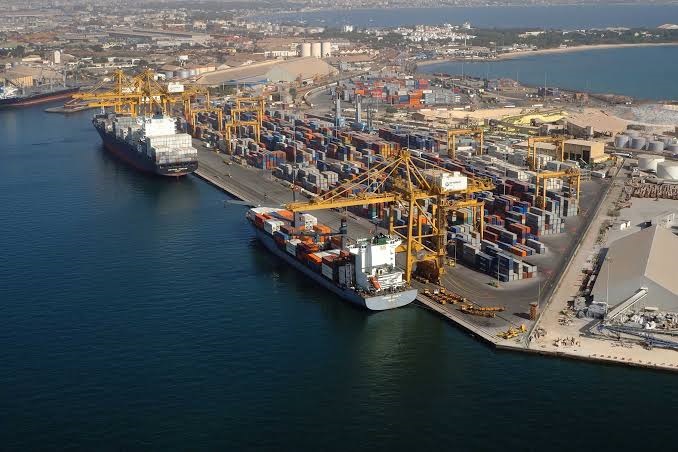
DAKAR, Senegal — July 16, 2026 — Senegal has set out an ambitious new vision for its maritime and logistics sector, unveiling a broad package of priorities designed to transform the country into one of Africa’s leading trade gateways while strengthening the role of the blue economy in national development.
The announcement, made during the Forum on the Sustainable Development of Maritime Transport and Logistics, signals that the government is looking beyond individual infrastructure projects toward a fully integrated maritime ecosystem that combines world-class ports, multimodal logistics corridors, workforce development, fisheries, and sustainable coastal industries.
For logistics operators, freight forwarders, shipping lines, port investors, and infrastructure developers, the strategy represents one of the clearest indications yet that Senegal intends to compete more aggressively for regional cargo flows currently moving through other West African ports.
Why Senegal’s New Maritime Strategy Matters
West Africa has become one of the world’s fastest-growing logistics markets, driven by population growth, expanding intra-African trade, industrialisation, and implementation of the African Continental Free Trade Area (AfCFTA).
While countries across the region are investing heavily in ports and transport infrastructure, Senegal is positioning itself to become more than just another port destination.
Its new strategy focuses on creating an interconnected logistics network capable of moving cargo efficiently between international shipping routes, inland markets, neighbouring countries, and industrial zones.
This shift reflects a broader global trend in which competitiveness depends not only on port capacity but also on the efficiency of road, rail, customs, digital logistics, and supply chain integration.
Port of Ndayane Remains the Flagship Project
At the centre of Senegal’s maritime ambitions is the Port of Ndayane, one of Africa’s largest deep-water port developments.
Designed to accommodate the latest generation of ultra-large container vessels, the new port is expected to significantly increase Senegal’s cargo-handling capacity while relieving congestion at the Port of Dakar.

Beyond expanding maritime capacity, Ndayane is expected to support logistics parks, warehousing, value-added manufacturing, and regional distribution activities, creating opportunities for international investors and supply chain operators seeking access to West African markets.
Industry analysts view the project as a long-term catalyst for regional trade competitiveness rather than simply another port expansion.
Building Logistics Corridors Beyond the Coast
One of the most notable aspects of the government’s announcement is its emphasis on logistics connectivity.
Instead of viewing ports as standalone assets, Senegal aims to improve transport links connecting coastal infrastructure with inland production centres and neighbouring countries.
Efficient logistics corridors reduce transport costs, shorten delivery times, and improve export competitiveness—factors increasingly important for agricultural products, manufactured goods, mining commodities, and consumer imports.
For freight operators, integrated transport networks often generate greater economic value than additional port capacity alone.
Investing in Maritime Skills
Infrastructure alone cannot create a competitive logistics sector.
Recognising this, the government plans to establish a National School of Maritime Professions with the long-term objective of developing it into a maritime university.
The initiative seeks to address growing demand for skilled professionals across shipping, logistics management, port operations, vessel maintenance, maritime engineering, customs, and supply chain technologies.
Developing local expertise could also reduce dependence on imported technical skills while supporting employment opportunities for Senegal’s growing workforce.
Modernising Fisheries Through Better Infrastructure
The strategy also places renewed emphasis on upgrading fishing ports and strengthening the country’s fisheries value chain.
Modern landing facilities, cold chain infrastructure, and improved logistics systems can help reduce post-harvest losses while increasing export opportunities for seafood products.
For logistics providers specialising in temperature-controlled transport and cold storage, these investments could create significant new business opportunities over the coming decade.
Sustainability Becomes a Core Priority
Unlike earlier generations of port expansion focused primarily on cargo volumes, Senegal’s latest roadmap incorporates environmental sustainability into long-term planning.
Government priorities include sustainable maritime transport, responsible fisheries management, coastal protection, and the broader development of the blue economy.
As global shipping faces increasing pressure to reduce emissions and improve environmental performance, sustainability is becoming a competitive advantage for ports seeking international investment.
What This Means for Africa’s Logistics Industry
Senegal’s announcement comes at a time when African ports are undergoing one of the largest waves of infrastructure investment in decades.
Countries including Morocco, Côte d’Ivoire, Nigeria, Tanzania, Angola, and South Africa are modernising ports to accommodate larger vessels and growing regional trade.
Senegal’s strategy differentiates itself by combining physical infrastructure with skills development, logistics integration, and blue economy initiatives under a single national vision.
If successfully implemented, the country could strengthen its position as a strategic gateway for West African trade while attracting new investment in logistics parks, manufacturing, distribution, and maritime services.
For logistics companies operating across Africa, the developments signal expanding opportunities in freight forwarding, warehousing, multimodal transport, customs services, port equipment, digital logistics platforms, and supply chain infrastructure.
Outlook
The success of Senegal’s maritime transformation will ultimately depend on sustained investment, efficient project execution, regional cooperation, and continued improvements in trade facilitation.
However, the latest policy direction demonstrates that Senegal is no longer thinking solely about building ports—it is building an integrated logistics ecosystem designed to compete on efficiency, resilience, and long-term economic value.
As African trade volumes continue to grow under the AfCFTA, countries capable of combining modern infrastructure with seamless logistics networks are likely to emerge as the continent’s next generation of regional trade hubs.
Also Read
- Lamu Port Set to Become East Africa’s Next Maritime Hub as Global Investors Show Interest
- Why Truckload Rates Are Rising Across North America

- Maersk and Viaservice Target Working Capital Challenge in Kenya’s Container Logistics Sector - August 20, 2026
- South Africa’s Special Economic Zones: 2026 Guide to SEZs, Ports, Logistics and Investment - August 16, 2026
- Africa’s Container Shipping Outlook: Why Freight Capacity Could Stay Tight Through 2026 - August 15, 2026

