
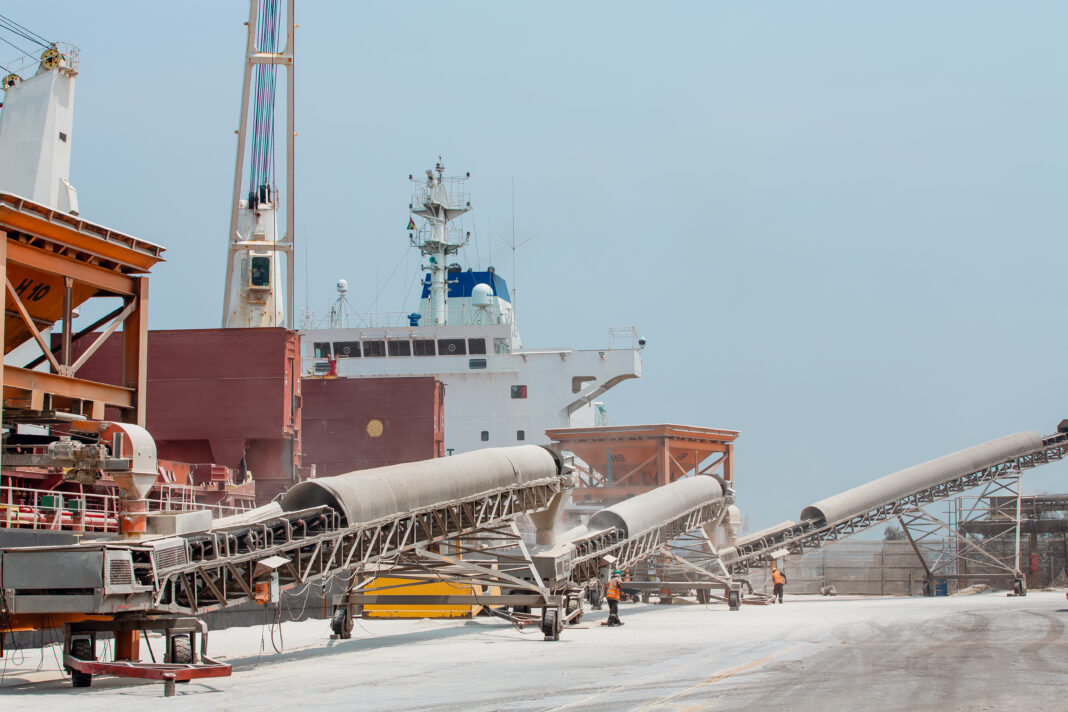
By Phil Swart, CEO, Beira Grain Terminal
Efficient port operations, reliable cargo handling and integrated inland transport are helping connect global commodity suppliers with agricultural and industrial markets across Southern Africa.
As regional economies expand and demand for agricultural commodities, industrial raw materials and bulk cargo grows, efficient logistics infrastructure is becoming increasingly important to Southern Africa’s trade competitiveness.
Ports must do more than receive vessels. They must provide the handling, storage and distribution capabilities needed to move commodities efficiently from international markets to inland destinations.
Located at the Port of Beira in Mozambique, Beira Grain Terminal (BGT) plays an important role in this logistics network.
Positioned along the strategic Beira Corridor, the terminal serves Mozambique and hinterland markets including Zimbabwe, Zambia, Malawi and the Democratic Republic of Congo (DRC), connecting international commodity flows with regional agricultural and industrial supply chains.
Its role illustrates how specialised bulk-handling infrastructure can support cross-border trade, strengthen commodity distribution and improve access to essential products across a geographically interconnected region.
Efficient bulk handling starts at the port
For bulk commodity supply chains, port efficiency is determined by more than storage capacity.
Vessel discharge rates, cargo management, stock control and the movement of goods from terminal to inland transport are all important factors in determining how effectively a facility serves its customers.
Delays at any stage can affect the wider logistics chain, potentially increasing vessel waiting times, raising costs and disrupting deliveries to downstream markets.
BGT has focused on operational efficiency through investment in equipment, systems and processes designed to support high vessel discharge rates, reliable stock management and efficient truck dispatch operations.
These capabilities help facilitate the movement of grain and other essential bulk commodities through the port.
The terminal handles grain commodities that support food production and industrial activity throughout Southern Africa.
Reliable handling and distribution are particularly important for businesses that depend on consistent supplies of agricultural inputs and raw materials, including livestock feed producers, flour millers and other processors.
For logistics operators, the ability to coordinate vessel unloading, storage and onward transportation is a key part of maintaining dependable cargo flows.
The Beira Corridor connects international trade with inland markets
A port’s commercial significance depends heavily on its connections beyond the waterfront. For landlocked countries, access to international markets relies on efficient transport corridors that connect seaports with inland commercial centres, industrial facilities and agricultural production areas.
The Beira Corridor provides this connection, linking the Port of Beira with regional markets through established road and rail networks.
Commodities handled at BGT can move onward to inland destinations, supporting businesses across neighbouring countries.
This connectivity gives the port strategic importance beyond Mozambique’s domestic economy.
By facilitating the movement of imported commodities into the hinterland, the corridor supports regional distribution networks and helps connect international suppliers with customers that lack direct access to the sea.
The effectiveness of this system, however, depends on coordination across the entire route. Port operations, road and rail capacity, border procedures and inland distribution must work together to maintain predictable cargo movement.
Continued investment in these connections will therefore be important as regional trade volumes grow.
Improvements to transport infrastructure, rail capacity and border efficiency can help strengthen the corridor’s ability to handle increasing demand while improving the competitiveness of regional supply chains.
Infrastructure investment and operational resilience
As commodity trade expands, bulk logistics facilities face increasing expectations around capacity, efficiency, safety and reliability.
Meeting these requirements calls for continuous investment in physical infrastructure and operational systems.
At BGT, continuous improvement remains a strategic priority. Infrastructure resilience, equipment modernisation, safety standards, operational systems and capacity optimisation are central to maintaining performance and supporting customer requirements.
The terminal has reported record cargo-handling and dispatch performances while maintaining its focus on safety, quality and environmental stewardship.
Such achievements reflect the contribution of infrastructure, operational processes and the personnel responsible for managing daily terminal activities.
For port and logistics operators, the challenge is to improve throughput without compromising safe operations or the quality of cargo management.
Effective stock control, coordinated dispatch and dependable equipment are all important in achieving this balance.
As regional supply chains become more interconnected, operational resilience will also depend on the ability of logistics infrastructure to respond to changing cargo volumes and evolving customer requirements.
Supporting agricultural and industrial supply chains
Grain handling infrastructure has implications that extend well beyond the port itself.
Reliable access to imported grain supports flour milling, livestock production, food processing and other activities that contribute to regional economic development.
For agricultural producers and processors, delays or disruptions in commodity supply can complicate production planning and distribution.
Efficient port and corridor operations help connect these businesses with international suppliers and support the movement of essential commodities into inland markets.
The same logistics principles apply more broadly across the bulk cargo sector.
Storage capacity, cargo-handling performance and dependable inland transport connections are fundamental to moving commodities between ports, processing facilities and end users.
BGT’s position within the Beira Corridor places it within this wider regional logistics system, where port operations and inland connectivity work together to support trade and economic activity.
Preparing for the next phase of regional trade
Southern Africa’s future logistics performance will depend on coordinated development across the supply chain.
Ports and terminals, storage facilities, road networks, rail systems, border infrastructure and digital logistics technologies all have roles to play in accommodating growing trade volumes and improving operational efficiency.
For the Beira Corridor, strengthening these links will be important in improving access to international markets for landlocked economies and supporting Mozambique’s continued economic development.
BGT’s focus on operational improvement and infrastructure development reflects the importance of specialised terminal facilities within this wider network.
By supporting the handling and onward movement of essential commodities, the terminal contributes to the connections between global suppliers, regional distributors and inland consumers.
As competition between regional trade routes evolves, the ability to deliver reliable cargo handling and efficient inland distribution will remain a significant consideration for commodity traders and logistics users.
Ultimately, the value of a bulk logistics terminal lies not only in the cargo it handles, but also in the reliability of the supply chains it helps sustain.
Through its role at the Port of Beira and within the Beira Corridor, Beira Grain Terminal remains an important part of the infrastructure supporting Southern Africa’s agricultural trade, industrial activity and regional economic integration.
Also Read
- South Africa’s Inflation Rises to 5.2%: What It Means for Transport, Logistics and Supply Chains
- Air freight costs climb as capacity constraints reshape global trade routes
- South Africa’s Special Economic Zones: 2026 Guide to SEZs, Ports, Logistics and Investment

- How Beira Grain Terminal is Strengthening Southern Africa’s Bulk Logistics Corridors - November 20, 2026
- CMA CGM Launches Dedicated Rail Freight Service Linking Mombasa Port to Nairobi ICD - November 19, 2026
- South Africa’s Inflation Rises to 5.2%: What It Means for Transport, Logistics and Supply Chains - November 18, 2026


)