
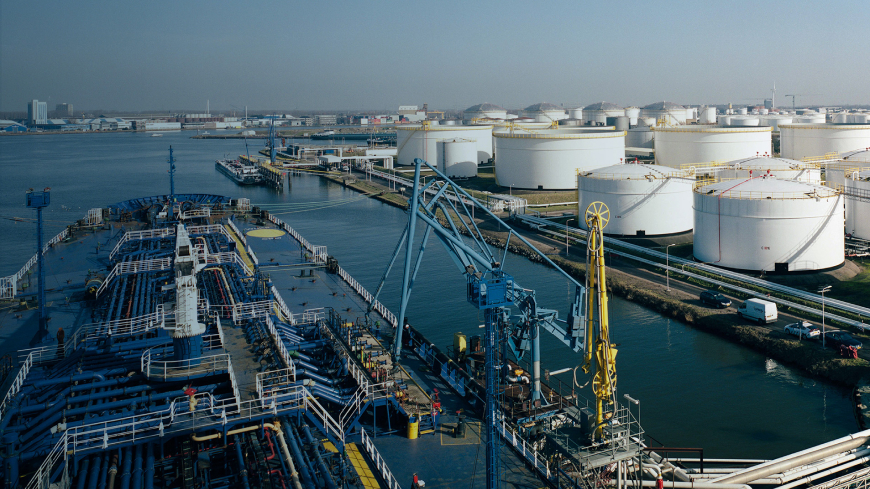
South Africa is advancing plans for a R40-billion (approximately $2.3-billion) liquefied natural gas (LNG) import terminal and gas-to-power project in Durban, a major infrastructure investment that could strengthen the port’s role in energy supply, maritime logistics and industrial development.
The proposed development, backed by an Engen-led consortium, will combine an LNG import terminal at the Port of Durban, pipeline infrastructure and a 1.9 GW combined-cycle gas turbine (CCGT) power plant at the Engen refinery site.
Construction is expected to begin in late 2028, subject to a final investment decision, regulatory approvals and other project milestones. The power plant is targeted to begin operations in the second half of 2031.
The project brings together several international energy and infrastructure players, with Engen leading the prospective consortium.
VTTI is expected to develop and operate the LNG terminal and pipeline infrastructure, Vitol will supply LNG, while Acwa will develop the power plant.
Durban’s Port Infrastructure at the Centre of the Development
The proposed LNG terminal will be located within the Port of Durban, placing maritime infrastructure at the centre of the project’s energy supply chain.
With a peak regasification capacity of approximately five billion cubic metres annually, the facility is intended to receive imported LNG, convert it into gas and supply the proposed power plant and industrial consumers through associated pipeline infrastructure.
The development could create additional demand for shipping services, port handling operations, marine infrastructure, pipeline construction, engineering and industrial equipment.
The project is also expected to generate more than R245-million annually in throughput-related revenue for the Port of Durban, according to the consortium’s estimates, highlighting the potential economic contribution of LNG-related port operations.
LNG Infrastructure Could Open Bunkering Opportunities
Beyond gas imports and electricity generation, the proposed terminal could have implications for South Africa’s maritime fuel supply sector.
The consortium says the LNG infrastructure could potentially support LNG bunkering services for visiting vessels, creating an additional opportunity for Durban to develop services around alternative marine fuels.
LNG bunkering requires specialised infrastructure, fuel handling systems, vessel compatibility, operational safety procedures and supply-chain coordination.
While the project does not yet confirm a bunkering operation, the potential availability of LNG infrastructure could create a platform for future maritime fuel services.
This could position Durban within wider discussions about the development of LNG supply infrastructure for shipping, particularly as ports and vessel operators assess alternative fuels and emissions reduction strategies.
Supporting Industrial Gas Demand
The proposed terminal is also intended to provide a reliable gas supply to industrial users in KwaZulu-Natal, helping South Africa respond to anticipated reductions in pipeline gas imports from Mozambique as production from existing gas fields declines.
The consortium expects the development to support industrial activity and potentially attract energy-intensive industries, including data centres, while contributing to the development of a broader energy and industrial hub in Durban.
The availability of gas infrastructure could also create opportunities for companies involved in gas transportation, industrial processing, equipment supply, engineering, storage and infrastructure maintenance.
Construction and Economic Impact
The project is expected to support approximately 1,000 workers on site at peak construction, with the construction phase estimated to contribute around R26-billion to South Africa’s GDP.
During operations, the development is projected to provide approximately 220 direct jobs and 520 indirect jobs, while contributing an estimated R1.8-billion annually to GDP, according to project estimates.
The development is also targeting approximately 30% ownership by South African broad-based black economic empowerment partners.
A Major Infrastructure Investment Still Awaiting Approvals
Despite the scale of the proposed investment, the project remains subject to South Africa’s second Gas-to-Power procurement round, environmental and regulatory approvals, a final investment decision and other development milestones.
If implemented as planned, the Durban LNG project could represent a significant investment in South Africa’s energy infrastructure, while expanding opportunities across port operations, marine services, pipeline construction, engineering, industrial supply chains and logistics.
The planned late-2028 construction start provides a potential timeline for infrastructure contractors, engineering firms, equipment suppliers and logistics companies to monitor as the project advances through its development stages.
Also Read
- Bidvest International Logistics Symposium Highlights Challenges to Unlocking Intra-African Trade
- East Africa Eyes New Rail Freight Corridor Linking Tanzania, Uganda and Eastern DRC
- CMA CGM Launches Dedicated Rail Freight Service Linking Mombasa Port to Nairobi ICD

- South Africa’s $2.3 Billion LNG Project Could Transform Durban’s Energy and Port Logistics - November 24, 2026
- Bidvest International Logistics Symposium Highlights Challenges to Unlocking Intra-African Trade - November 23, 2026
- How Beira Grain Terminal is Strengthening Southern Africa’s Bulk Logistics Corridors - November 20, 2026


 liquefied natural gas (LNG) import terminal and gas-to-power project in Durban, a major infrastructure investment that could strengthen the port's role in energy supply, maritime logistics and industrial development.)