

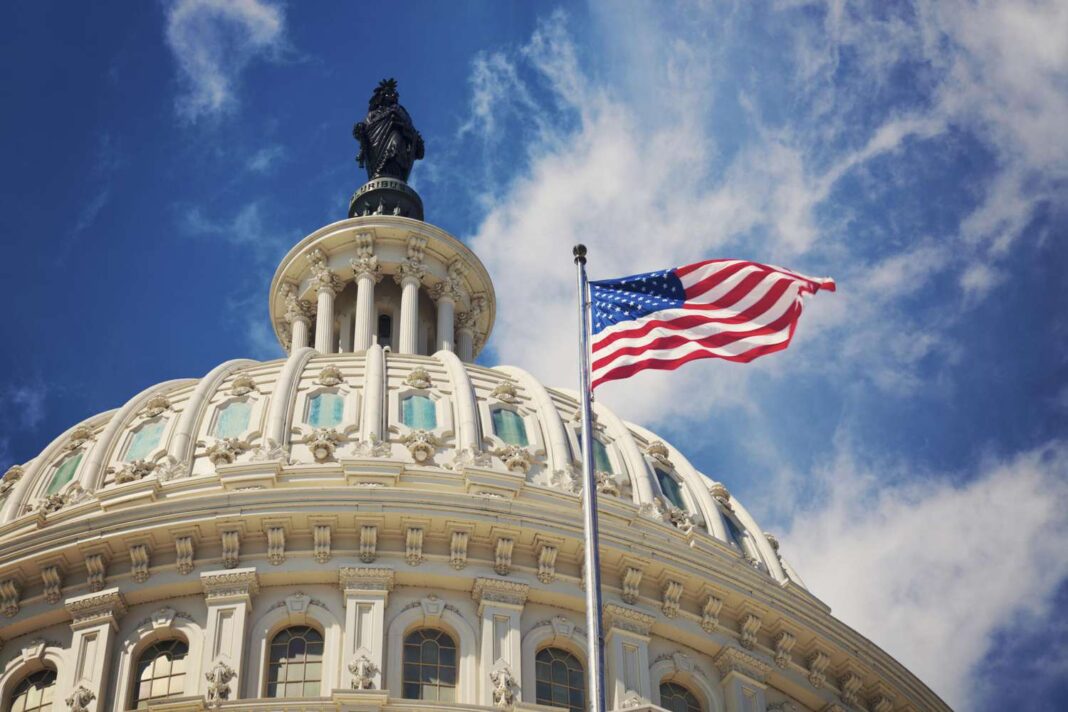
The U.S. House of Representatives has passed the “Protecting American Energy Production Act,” a bill that restricts future presidents from unilaterally banning oil and gas drilling on federal lands and waters without congressional approval.
The move marks a significant legislative push to secure long-term energy production amid ongoing debates over environmental policies and energy independence.
The bill, championed by Republican lawmakers, aims to prevent any administration from imposing broad drilling moratoriums, particularly targeting bans on hydraulic fracturing (fracking).
Supporters argue that restricting executive authority over energy production ensures job security in the oil and gas industry, strengthens the economy, and maintains the nation’s energy independence.
“This legislation is about protecting American energy jobs and ensuring that political whims do not jeopardize our energy security,” said House Majority Leader Steve Scalise (R-LA). “We cannot afford to have one administration unilaterally undo the progress we’ve made in energy production.”
The passage of the bill comes in response to former President Joe Biden’s move to ban offshore drilling across more than 625 million acres of U.S. coastal waters, including areas along the Atlantic and Pacific coasts, just weeks before leaving office.
Critics of Biden’s policy, including many in the oil industry, have called the move a blow to domestic energy production and a potential cause for rising fuel prices.
However, environmental advocates and Democratic lawmakers opposed the House bill, warning that it could lead to unchecked fossil fuel expansion and worsen climate change.
“This is a direct attack on our efforts to combat climate change and transition to clean energy,” said House Minority Leader Hakeem Jeffries (D-NY). “Future presidents should have the ability to take necessary action to protect our environment.”
The bill now moves to the Senate, where its fate remains uncertain. While Republicans hold a slim majority, strong opposition from Democratic senators and a potential veto threat from President Donald Trump could complicate its passage.
If signed into law, the measure would represent a major shift in the balance of power over U.S. energy policy, ensuring that any future restrictions on drilling would require legislative approval rather than executive action.
The debate over the bill highlights the broader national divide over energy policy, with some advocating for a continued push toward fossil fuel reliance while others call for greater investment in renewable energy sources.
As the Senate prepares to take up the measure, both sides are expected to ramp up their lobbying efforts, setting the stage for another high-stakes battle over the future of American energy production.
Also Read

- What Is a Pick and Pack Warehouse? A Complete Guide for Online Retailers - February 18, 2026
- Rhenus Powers South Africa’s First ScreenX Cinema with Complex Global Logistics Operation - February 18, 2026
- Yusen Logistics Expands into East Africa with Strategic Kenyan Joint Venture - February 17, 2026

