

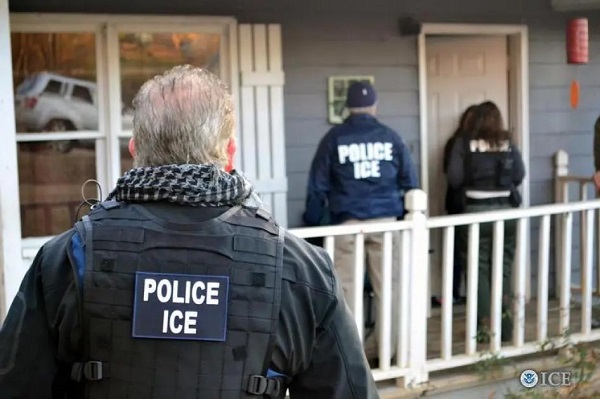
Immigration enforcement is a cornerstone of national sovereignty, enabling countries to regulate who enters and resides within their borders.
However, in an increasingly interconnected world, this task has grown more complex, requiring governments to balance security, humanitarian concerns, and economic interests. The modern landscape of immigration enforcement demands nuanced approaches that acknowledge its multi-faceted nature.
The Evolving Nature of Borders
Globalization, technological advances, and changing migration patterns have redefined the concept of borders. In the 21st century, borders are no longer confined to physical barriers but include digital checkpoints, biometric data, and international cooperation. While traditional enforcement strategies focus on deterring unauthorized entry, modern approaches must address cybercrime, transnational smuggling networks, and irregular migration driven by conflict, climate change, and economic disparity.
Humanitarian Challenges
Immigration enforcement is often criticized for its potential to infringe on human rights. Detention centers, family separations, and the treatment of asylum seekers spark ethical debates worldwide. For example, the U.S.-Mexico border has become a flashpoint for discussions on how to manage migration while respecting human dignity.
International conventions, such as the 1951 Refugee Convention, mandate that countries provide asylum to those fleeing persecution. Yet, the line between economic migrants and refugees is increasingly blurred, complicating enforcement efforts. Striking a balance between humanitarian obligations and border security remains one of the most significant challenges.
Economic Dimensions
Immigration has profound economic implications. Migrant labor fills critical gaps in industries such as agriculture, healthcare, and construction. However, unauthorized migration can strain public resources and generate political backlash. Effective enforcement must address these dual realities.
Programs like temporary worker visas and pathways to citizenship offer potential solutions, but their implementation is often fraught with bureaucratic hurdles. Furthermore, enforcing immigration laws without disrupting local economies or alienating immigrant communities is a delicate balancing act.
Technology: A Double-Edged Sword
Technology has revolutionized immigration enforcement, offering tools such as facial recognition, drones, and data analytics to monitor borders and track unauthorized entrants. For instance, automated e-gates at airports expedite processing while enhancing security.
However, the use of technology raises concerns about privacy and surveillance. In countries like China, advanced surveillance tools are used not only for immigration control but also for internal monitoring, sparking fears of overreach. Governments must ensure that technological advancements are deployed ethically and transparently.
The Role of International Cooperation
Immigration enforcement cannot be addressed in isolation. Transnational issues like human trafficking, drug smuggling, and terrorism require robust international collaboration. Initiatives such as the Global Compact for Migration aim to foster cooperation while respecting national sovereignty.
Regional agreements, like the European Union’s Schengen Area, show the benefits of collective strategies, but they also expose vulnerabilities, as seen during the 2015 migration crisis. Shared frameworks must balance the need for security with the equitable distribution of responsibilities among nations.
Future Directions
Modern immigration enforcement should adopt a holistic approach that integrates security, technology, and humanitarian considerations. Key strategies include:
- Investing in Root Causes: Addressing the drivers of migration, such as poverty, conflict, and climate change, can reduce the pressure on borders.
- Streamlining Legal Pathways: Expanding visa programs and creating efficient asylum systems can deter unauthorized migration.
- Ethical Use of Technology: Establishing guidelines for privacy and data protection ensures that technological tools serve both security and human rights.
- Enhanced Collaboration: Bilateral and multilateral agreements can promote shared responsibility and resource allocation.
Conclusion
Balancing borders is a complex task that reflects the broader tensions between security, economics, and ethics. Effective immigration enforcement must evolve to meet the challenges of globalization while safeguarding human rights and economic stability. By embracing innovation and international cooperation, nations can craft policies that are both practical and compassionate, ensuring that borders serve as gateways rather than barriers.
Also Read
Applying for a J-1 Visa: Step-by-step guide
Your ultimate guide to the H-1B Visa: All you need to know

- What Is a Pick and Pack Warehouse? A Complete Guide for Online Retailers - February 18, 2026
- Rhenus Powers South Africa’s First ScreenX Cinema with Complex Global Logistics Operation - February 18, 2026
- Yusen Logistics Expands into East Africa with Strategic Kenyan Joint Venture - February 17, 2026

