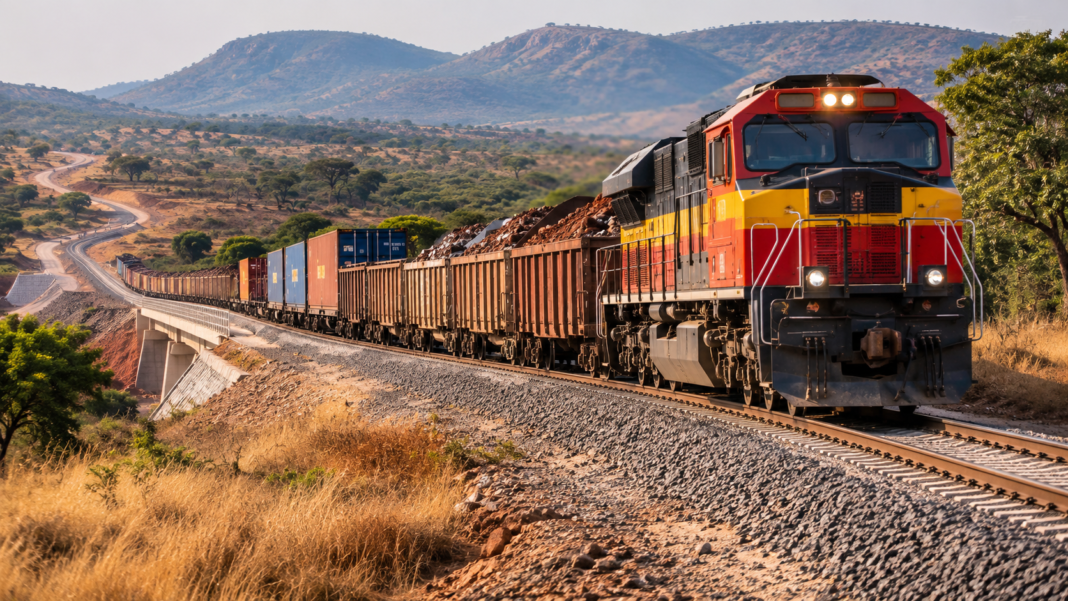
Africa’s logistics sector is undergoing significant transformation as governments, investors and businesses commit capital to infrastructure, industrial development, mining, energy and regional trade.
From railway networks and port expansion projects to new mines, manufacturing plants and logistics hubs, developments across the continent are creating new supply-chain requirements and potential commercial opportunities for logistics businesses.
For transport operators, freight forwarders, shipping companies, warehouse operators, logistics investors and equipment suppliers, identifying these developments early can provide a competitive advantage.
Large infrastructure and industrial projects often require extensive logistics support during construction, equipment mobilisation, commissioning and subsequent operations.
These requirements can include heavy haulage, freight forwarding, customs clearance, warehousing, bulk transportation, fleet services and specialised project logistics.
Yet identifying where these opportunities are emerging across Africa remains a challenge. Project information is often dispersed across government announcements, investment reports, development finance institutions, company press releases, procurement portals and industry publications.
By the time a project reaches the operational stage, some of the most valuable logistics contracts or supplier opportunities may already have been awarded.
The Africa Logistics Opportunity Database seeks to bring these developments into one curated intelligence resource. This first edition identifies 30 projects, investments, expansions and other developments across Africa that could create demand for logistics services in 2027 and beyond.
The selection focuses on four broad areas: infrastructure and industrial projects, mining and energy developments, manufacturing investments, and trade and corridor initiatives.
Rather than simply highlighting industry trends, each opportunity is examined from a commercial perspective, focusing on the development itself, its location, key stakeholders and the logistics services that may be required.
The database is not a list of confirmed logistics contracts or guaranteed business opportunities. Instead, it is designed to identify commercial signals that logistics businesses can investigate further, monitor and potentially pursue.
Project timelines, financing arrangements, procurement plans and implementation stages may change, meaning businesses should verify individual opportunities before making investment or commercial decisions.
As Africa’s trade networks, industrial capacity and transport infrastructure continue to evolve, access to timely project intelligence could become increasingly valuable for businesses seeking to expand, enter new markets or develop specialised logistics services.
This is the first edition of an evolving Africa Logistics intelligence initiative, with the objective of tracking developments that could shape the continent’s logistics
landscape and connecting industry participants with emerging commercial opportunities.
1. Zambia–Lobito Railway: A New Rail Link Connecting Zambia’s Copperbelt to the Atlantic
Countries: Zambia and Angola | Sector: Rail infrastructure and trade corridor
The proposed Zambia Lobito Railway is a major infrastructure development aimed at strengthening freight connectivity between Zambia’s Copperbelt and Atlantic shipping routes through Angola.
The approximately 830-kilometre greenfield railway is designed to connect Chingola in Zambia to Luacano in Angola, linking the Zambia Railways network with the existing Benguela Railway and the Port of Lobito.
Developed under the leadership of Africa Finance Corporation (AFC), the project is intended to facilitate the movement of copper, critical minerals, agricultural products, petroleum and general cargo.
Project documentation identifies the railway as a strategic link within a wider trans-African trade corridor, with the potential to improve access to international markets and reduce cargo transit times.
The development presents potential opportunities for logistics companies during construction and beyond.
Construction activities could generate demand for heavy equipment transportation, construction materials logistics, project cargo handling, warehousing, fuel supply and contractor support services.
Once operational, the railway could create opportunities for freight forwarding, multimodal transport coordination, bulk cargo handling, container logistics and supply-chain services supporting mining, agriculture and industrial businesses along the corridor.
Project milestones disclosed by the developer include completed feasibility studies and concession agreements, environmental and social assessment work, and initial financing approval.
The project timeline also identifies further financing, operational preparations and construction-related activities as key stages in its development.
Logistics businesses, transport operators, freight forwarders and equipment suppliers should monitor the project as it progresses, particularly procurement announcements, contractor mobilisation, railway usage agreements and the development of supporting infrastructure.
Potential logistics opportunities: Heavy haulage, project cargo, construction logistics, equipment transportation, warehousing, bulk freight, container transport and multimodal logistics.
Key stakeholders: Africa Finance Corporation, governments of Zambia and Angola, African Development Bank and other project partners.
2. TAZARA Railway Revitalisation: $1.4 Billion Investment Set to Reshape the Tanzania–Zambia Logistics Corridor
Countries: Tanzania and Zambia | Sector: Rail infrastructure, freight and corridor logistics
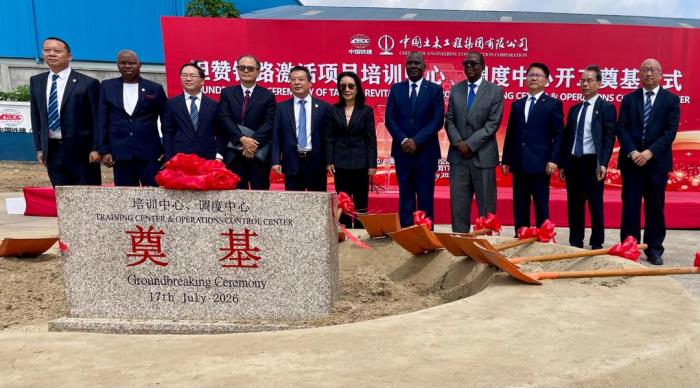
The Tanzania–Zambia Railway Authority (TAZARA) is undertaking a US$1.4 billion revitalisation programme that could create significant opportunities for logistics businesses along the railway corridor linking the Port of Dar es Salaam to New Kapiri Mposhi in Zambia.
The programme, being implemented under a concession partnership with China Civil Engineering Construction Corporation (CCECC), represents the largest revitalisation effort in the railway’s history.
The three-year rehabilitation programme is currently at the survey and design stage, according to TAZARA.
Planned improvements include railway track infrastructure, rolling stock, workshops and operational facilities.
The railway aims to increase freight volumes from approximately 400,000 tonnes to more than 2.4 million tonnes within four years and reduce transit times between Dar es Salaam and New Kapiri Mposhi from approximately seven to ten days to less than five days.
The revitalisation also presents opportunities beyond the railway itself. TAZARA has identified inland container depots, manufacturing zones near railway stations, agro-processing facilities and mineral transportation as priority areas for investment along the corridor.
These developments could generate demand for container handling, warehousing, road transport, cargo consolidation, construction logistics and multimodal freight services.
For logistics operators, the project offers an opportunity to monitor emerging demand as railway capacity improves and corridor investments develop.
Businesses may explore services supporting construction contractors, mining companies, agricultural exporters, industrial investors and cargo owners seeking alternatives or complementary transport routes.
The corridor’s potential extension of trade connections towards Zambia’s Luapula Province and the Democratic Republic of Congo also presents longer-term opportunities for transport operators and logistics service providers, although supporting infrastructure and route development will be critical.
Potential logistics opportunities: Construction logistics, railway equipment transportation, heavy haulage, inland container depots, warehousing, cargo consolidation, mineral transport, agricultural logistics and road-rail freight services.
Key stakeholders: Tanzania–Zambia Railway Authority (TAZARA), China Civil Engineering Construction Corporation (CCECC), governments of Tanzania and Zambia, corridor investors and freight operators.
Africa’s Infrastructure Boom Is Creating New Logistics Demand
Major railway, port, mining, energy and industrial projects across Africa are generating potential demand for project cargo, heavy haulage, warehousing, freight forwarding and specialised transport services.
3. Simandou Iron Ore Project: Guinea’s Mining Mega-Project Creates New Logistics Demand
Country: Guinea | Sector: Mining, rail infrastructure, port logistics and bulk transport
Guinea’s Simandou iron ore project is emerging as one of Africa’s largest integrated mining and infrastructure developments, combining mining operations, railway infrastructure and port facilities designed to support large-scale iron ore exports.
The project involves several partners, including Rio Tinto, the Government of Guinea, Winning Consortium Simandou (WCS), Baowu and Chinalco-linked interests, with different partners responsible for mining concessions and infrastructure components.
The integrated development includes a shared TransGuinean railway network of approximately 536 kilometres, connecting inland mining areas to export infrastructure on Guinea’s coast.
The wider system is designed to support the export of up to 120 million tonnes of iron ore annually from the project’s mining concessions.
SimFer is developing a 60-million-tonne-per-year mine in Blocks 3 and 4, while associated railway and port infrastructure is being progressively commissioned.
The project is already transitioning from construction towards operational expansion. Railway commissioning has advanced, iron ore shipments have commenced, and SimFer has been progressing the commissioning of its port infrastructure at Morebaya, with further operational ramp-up expected over the coming years.
For logistics companies, Simandou presents opportunities extending beyond the initial construction phase.
The development and expansion of mining operations will require equipment transportation, spare-parts supply chains, fuel distribution, warehousing, contractor logistics, heavy cargo movement and support services for mining personnel and infrastructure operators.
As iron ore production increases, the corridor could also generate demand for supporting logistics services, marine operations, industrial supply chains and cargo handling.
Businesses interested in Guinea’s growing mining sector should monitor procurement activities, local supplier programmes, infrastructure contracts and opportunities linked to mine operations and the railway-port system.
Potential logistics opportunities: Heavy equipment transportation, project cargo, industrial warehousing, mining supply-chain services, fuel logistics, spare-parts distribution, contractor logistics, marine services and freight support.
Key stakeholders: Rio Tinto, SimFer, Winning Consortium Simandou (WCS), Baowu, Chinalco-linked consortium partners, Government of Guinea and Compagnie du TransGuinéen (CTG).
Where Logistics Opportunities Are Emerging
4. Dangote Refinery and Petrochemical Expansion: Nigeria’s Industrial Growth Creates New Logistics Demand
Country: Nigeria | Sector: Oil refining, petrochemicals, industrial logistics and maritime transport
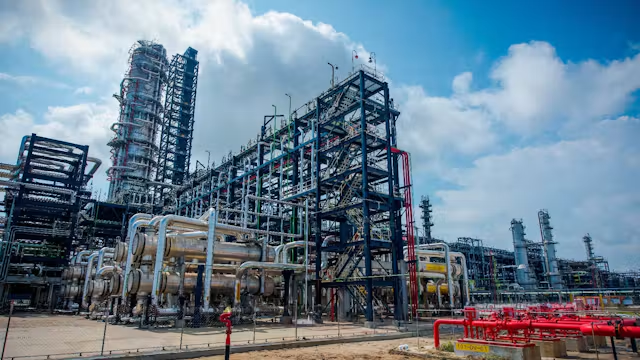
Nigeria’s Dangote Petroleum Refinery and Petrochemicals complex in Lekki is embarking on a major expansion programme that could generate additional logistics demand across construction, industrial supply chains, petroleum distribution and international trade.
The project is part of the group’s broader industrial expansion strategy, with plans to increase refining capacity from approximately 700,000 barrels per day to 1.4 million barrels per day by 2029.
The expansion programme involves additional refining units, petrochemical production capacity and supporting industrial infrastructure.
Dangote has also outlined plans to increase polypropylene production to 2.4 million tonnes annually and introduce additional petrochemical products, including linear alkylbenzene (LAB), used in detergent manufacturing.
The wider expansion is expected to involve substantial equipment procurement, engineering work, construction activity and industrial supply-chain requirements.
The development is already generating procurement activity. In February 2026, Dangote Group signed a $400 million equipment agreement with China’s XCMG to support construction and expansion activities across its industrial operations.
Engineers India Limited has also secured project management consultancy and engineering-related responsibilities associated with the refinery’s expansion.
The complex’s existing infrastructure includes a deepwater jetty, storage facilities, pipelines, refinery units, truck-loading facilities and petrochemical operations.
As additional production capacity is developed, logistics requirements could expand around equipment mobilisation, construction materials, industrial spare parts, storage, petroleum evacuation, marine transport and distribution of petrochemical products.
The expansion also presents opportunities for logistics companies serving Nigeria’s industrial and manufacturing sectors.
Increased polypropylene and other petrochemical production could create additional demand for containerised exports, packaging supply chains, bulk transport, warehouse facilities and distribution networks serving manufacturers across Nigeria and neighbouring markets.
Logistics operators, industrial transport companies, freight forwarders, equipment suppliers and warehouse developers should monitor procurement announcements, construction contracts, supplier requirements and distribution arrangements associated with the expansion.
Potential logistics opportunities: Heavy equipment transportation, project cargo, industrial warehousing, construction logistics, petroleum distribution, marine freight, container transport, petrochemical distribution, spare-parts logistics and industrial supply-chain management.
Key stakeholders: Dangote Petroleum Refinery and Petrochemicals, Dangote Group, Engineers India Limited, XCMG, Honeywell and other engineering, construction, equipment and logistics contractors.
Potential Logistics Services Required Across Major Projects
- Heavy equipment transportation
- Project cargo and oversized freight
- Customs clearance
- Industrial warehousing
- Construction logistics
- Bulk transportation
- Container transport
- Cross-border freight
- Marine and offshore logistics
- Mining supply-chain management
5. East Africa Crude Oil Pipeline (EACOP): A Major Energy Infrastructure Project Creating Supply-Chain Opportunities
Countries: Uganda and Tanzania | Sector: Oil infrastructure, pipeline construction, energy logistics and transport
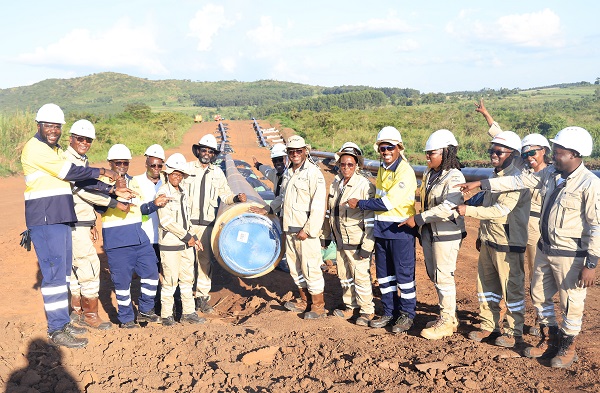
The East Africa Crude Oil Pipeline (EACOP) is one of East Africa’s most significant cross-border energy infrastructure developments.
The 1,443-kilometre pipeline is designed to transport crude oil from Uganda’s Lake Albert oil fields to an export terminal at Tanga on Tanzania’s Indian Ocean coast.
The development includes pipeline infrastructure, pumping stations, storage facilities and export infrastructure designed to support Uganda’s emerging oil industry.
The project is associated with Uganda’s broader oil development programme, particularly the Tilenga and Kingfisher oil projects, and is being developed through a partnership involving TotalEnergies, CNOOC, Uganda National Oil Company (UNOC) and Tanzania Petroleum Development Corporation (TPDC).
Construction of the pipeline and supporting facilities has generated demand for specialised equipment, engineering services, construction materials, transport, accommodation, fuel supply and contractor support.
As the project progresses towards operational readiness, additional logistics requirements are expected around commissioning, maintenance, spare-parts supply, workforce support and the movement of materials across the Uganda–Tanzania corridor.
The pipeline’s cross-border nature also creates opportunities for logistics companies operating in both countries.
Transport operators, customs brokers, freight forwarders, equipment suppliers and warehousing companies may find opportunities linked to the movement of industrial goods, maintenance materials and operational supplies between project locations, inland facilities and the coastal export terminal.
The broader development of Uganda’s oil sector, including upstream production facilities and associated infrastructure, could further stimulate logistics demand around oilfield supply bases, heavy transport, industrial warehousing, project cargo and specialised energy-sector logistics.
Businesses interested in the East African energy sector should monitor supplier registration, procurement announcements, subcontracting opportunities and operational supply-chain requirements associated with EACOP and related oil developments.
Potential logistics opportunities: Heavy equipment transport, project cargo, construction materials logistics, industrial warehousing, fuel supply, customs clearance, cross-border transport, oilfield supply-chain services, spare-parts distribution and specialised maintenance logistics.
Key stakeholders: EACOP Ltd, TotalEnergies, CNOOC, Uganda National Oil Company (UNOC), Tanzania Petroleum Development Corporation (TPDC), Uganda’s Ministry of Energy and Mineral Development and Tanzania’s relevant government agencies.
Strategic African Corridors to Monitor
- Lobito Corridor: Zambia, Angola and the Atlantic trade gateway.
- TAZARA Corridor: Tanzania and Zambia.
- Beira Corridor: Mozambique and inland Southern African markets.
- East Africa Oil Corridor: Uganda and Tanzania.
- TransGuinean Corridor: Guinea’s mining and export infrastructure.
6. Dondo Dry Port: $117 Million Logistics Terminal Set to Strengthen the Beira Corridor
Country: Mozambique | Sector: Inland logistics, dry ports, freight handling and regional trade
Mozambique is advancing the development of the Dondo Dry Port in Sofala Province, a major logistics infrastructure investment intended to strengthen the Beira Corridor and improve cargo movement between the Port of Beira and inland markets.
The project is being developed under a 25-year concession valued at approximately US$117 million, awarded to Terminal Logístico de Dondo, SA.
The planned inland logistics terminal is expected to support cargo handling, storage, freight consolidation and the movement of goods through the Beira Corridor, which serves regional markets including Zimbabwe, Zambia and Malawi.
Its location near key transport connections is intended to relieve pressure on the Port of Beira while improving the efficiency of inland cargo distribution.
The project presents potential opportunities for logistics companies during construction and once the terminal becomes operational.
Construction could generate demand for equipment transport, building materials, contractor logistics and procurement services.
Operational activities could create opportunities for container handling, warehousing, cargo consolidation, road transport, customs-related services and multimodal logistics.
The terminal is particularly relevant to transport operators serving Zimbabwe and other inland markets that depend on Beira as a maritime gateway.
Logistics businesses should monitor construction progress, terminal operator requirements, supplier registration and opportunities to provide transport, storage and cargo-handling services as the development advances.
Potential logistics opportunities: Warehousing, container handling, cargo consolidation, road transport, customs clearance, construction logistics, equipment transportation, freight forwarding and multimodal cargo services.
Key stakeholders: Government of Mozambique, Ministry of Transport and Logistics, Terminal Logístico de Dondo, Caminhos de Ferro de Moçambique (CFM), Port of Beira operators and regional freight operators.
7. Lüderitz Port Expansion: Namibia Plans a New Multi-User Terminal for Green Energy and Mineral Exports
Country: Namibia | Sector: Port infrastructure, critical minerals, green hydrogen and maritime logistics
Namibia is advancing plans to expand the Port of Lüderitz through the development of new port infrastructure at Angra Point, positioning the facility to support emerging mineral, energy and industrial supply chains.
The expansion forms part of Namibia’s broader Southern Corridor Development Initiative, which seeks to stimulate industrial development and investment in the country’s southern region.
In December 2025, the European Union announced a NAD 13 million partnership with Namibian Ports Authority (Namport) and the Port of Rotterdam to support planning for the Lüderitz port expansion.
The partnership includes technical work led by the Port of Rotterdam, covering environmental assessment, conceptual designs, terminal layouts and technical specifications for the proposed development.
Plans include a multi-user terminal intended to accommodate different cargo types, including potential exports of green hydrogen derivatives such as green ammonia.
The development is also expected to support Namibia’s ambitions in critical minerals, renewable energy and industrialisation, potentially strengthening the country’s connections to international maritime and energy supply chains.
For logistics companies, the project could create opportunities in port construction, equipment mobilisation, heavy transport, marine services, industrial warehousing and supply-chain support for mining and energy developments in the southern region.
The proposed terminal could also generate longer-term demand for cargo handling, specialised storage, bulk transport, export logistics and services supporting green fuel production and mineral exports.
The planning phase presents an opportunity for engineering firms, infrastructure contractors, logistics operators, equipment suppliers and maritime service providers to monitor project procurement, technical development and future construction packages.
Potential logistics opportunities: Port construction logistics, heavy equipment transportation, project cargo, marine services, industrial warehousing, bulk cargo handling, critical minerals logistics, green ammonia export logistics and supply-chain services for renewable energy projects.
Key stakeholders: Namibian Ports Authority (Namport), European Union, Port of Rotterdam, Government of Namibia and developers associated with Namibia’s Southern Corridor and green hydrogen initiatives.
8. Kansanshi S3 Expansion: $1.25 Billion Investment Boosts Zambia’s Copper and Mining Logistics
Country: Zambia | Sector: Copper mining, industrial infrastructure, heavy transport and supply-chain logistics
First Quantum Minerals’ Kansanshi S3 expansion in Solwezi represents a major investment in Zambia’s copper industry, with implications for mining supply chains, industrial transport and logistics services.
The US$1.25 billion expansion was designed to increase processing capacity at the Kansanshi mine, extend its operating life and support higher copper production.
The S3 expansion added a new 25-million-tonne-per-year sulphide processing train and supporting infrastructure, including additional milling capacity and an overland conveyor system.
The project was completed in 2025 and achieved commercial production in December that year.
First Quantum’s production guidance anticipates a further increase in copper output as the expansion ramps up, with the company projecting 210,000–240,000 tonnes of copper production at Kansanshi in 2027.
Although the main construction phase has been completed, the expanded operation continues to generate logistics demand through mining, processing, maintenance and infrastructure activities.
The operation requires the movement of mining equipment, consumables, industrial components, fuel, chemicals, spare parts and other materials.
Further capital projects identified by First Quantum include additional in-pit crusher installations, tailings infrastructure, pre-stripping activities and grid-stability investments.
The expansion also reinforces Solwezi’s importance as a mining and industrial centre in Zambia’s North-Western Province.
Logistics providers serving the Copperbelt and North-Western mining regions may benefit from demand for heavy haulage, industrial warehousing, equipment distribution, mine-site supply, freight forwarding and specialised transport services.
Businesses interested in the mining supply chain should monitor procurement opportunities, supplier registration processes, maintenance contracts, infrastructure projects and requirements linked to the operation’s production ramp-up.
Potential logistics opportunities: Heavy equipment transport, mining supply-chain logistics, industrial warehousing, spare-parts distribution, fuel transport, chemicals logistics, construction logistics, road freight, maintenance supply chains and specialised haulage.
Key stakeholders: First Quantum Minerals, Kansanshi Mining PLC, ZCCM-IH, mining contractors, equipment suppliers, transport operators and industrial service providers.
9. Mozambique LNG Project Restart: $20 Billion Development Reopens Major Construction and Logistics Opportunities
Country: Mozambique | Sector: LNG, offshore logistics, construction, energy supply chains and project cargo
The restart of Mozambique’s approximately US$20 billion liquefied natural gas (LNG) development in Cabo Delgado is reopening one of Africa’s largest energy-related construction and logistics opportunities.
The TotalEnergies-led Mozambique LNG project, located on the Afungi Peninsula, resumed onshore and offshore activities following the lifting of force majeure in November 2025 and the formal announcement of the full restart in January 2026.
The development is designed to produce approximately 13 million tonnes of LNG annually through integrated gas processing, storage, marine and offshore infrastructure.
Construction activities have resumed, with more than 4,000 workers mobilised at the project site at the time of the restart announcement. First LNG is targeted for 2029.
The restart is creating renewed demand across construction supply chains, equipment mobilisation, marine transport, offshore services, camp operations, procurement, industrial materials and contractor support.
The project involves large-scale construction work, including LNG processing facilities, storage tanks, pipe racks, marine infrastructure and offshore production systems.
These activities require complex transport and supply-chain coordination involving international suppliers, regional contractors and local service providers.
For logistics businesses, opportunities may emerge in project cargo handling, freight forwarding, customs clearance, road transport, equipment storage, marine logistics, workforce transport, fuel supply and construction materials distribution.
Companies capable of supporting oversized cargo, specialised equipment and time-sensitive industrial shipments may be particularly relevant to the project’s supply chain.
The development also has implications for logistics infrastructure in Cabo Delgado and northern Mozambique.
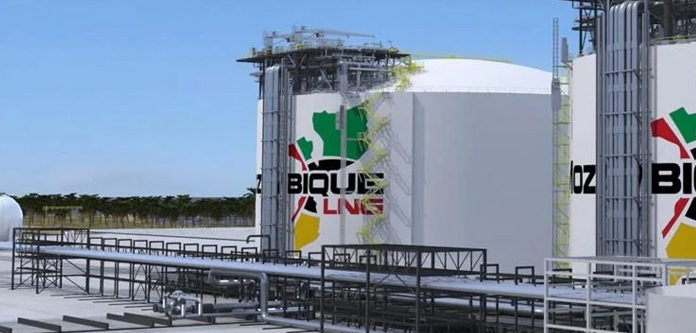
Supporting construction and operational activity could create demand for transport capacity, warehouses, accommodation logistics, port services and industrial supply facilities, although the scale and timing of these opportunities will depend on project procurement and security conditions.
Logistics operators and suppliers should monitor procurement notices, contractor requirements, supplier registration opportunities and local-content programmes associated with Mozambique LNG and its engineering, construction and offshore partners.
Potential logistics opportunities: Project cargo, heavy haulage, offshore logistics, marine freight, customs clearance, industrial warehousing, construction materials transport, equipment mobilisation, workforce logistics, fuel supply and supply-chain management.
Key stakeholders: TotalEnergies, Mozambique LNG consortium partners, Empresa Nacional de Hidrocarbonetos (ENH), Government of Mozambique, engineering and construction contractors, offshore service providers and local suppliers.
10. Tema Port Berth 5 Expansion: Ghana Pursues Additional Container Capacity
Country: Ghana | Sector: Port infrastructure, container shipping, rail logistics and inland terminals
Ghana is pursuing an agreement for the development of MPS Berth 5 at Tema Port as part of efforts to increase container-handling capacity and accommodate growing shipping volumes.
The proposed expansion forms part of the government’s wider port infrastructure programme aimed at strengthening Ghana’s position as a major maritime gateway for West African trade.
In November 2026, President John Dramani Mahama disclosed that government was pursuing an agreement with Meridian Port Services (MPS) for the development of Berth 5.
The announcement came amid increasing container volumes and congestion pressures at Tema, with authorities seeking additional capacity at both the modern MPS terminal and the older port facilities.
The government is also pursuing complementary logistics infrastructure around Tema. Plans include the development of a Kpone terminal for empty and unstuffed containers, with containers expected to be transferred from the main port using the Tema–Mpakadan railway line.
The wider programme is intended to improve cargo storage, reduce congestion and strengthen connections between port facilities and inland logistics infrastructure.
For logistics companies, the proposed Berth 5 development and associated terminal infrastructure could create opportunities in port construction, equipment mobilisation, cargo handling, container transport, warehousing, rail-linked logistics and supply-chain services.
Additional capacity could also stimulate demand for freight forwarding, customs clearance, inland container depots and transport services supporting importers, exporters and regional transit cargo.
Businesses operating in Ghana’s port and logistics sector should monitor concession negotiations, construction procurement, terminal equipment requirements, Kpone terminal development and associated rail-linked container logistics arrangements.
Potential logistics opportunities: Port construction logistics, heavy equipment transportation, container transport, warehousing, cargo handling, inland container depots, rail freight, customs clearance, freight forwarding and terminal support services.
Key stakeholders: Government of Ghana, Meridian Port Services (MPS), Ghana Ports and Harbours Authority (GPHA), Ghana Railway Development Authority, railway operators, shipping lines and transport companies.
How to Use This Opportunity Database
The developments featured in this database represent potential commercial opportunities rather than confirmed logistics contracts. Companies should independently verify project timelines, procurement announcements, contractor appointments, supplier registration requirements and tender opportunities before pursuing individual projects.
Also Read
- Air freight costs climb as capacity constraints reshape global trade routes
- South Africa’s Inflation Rises to 5.2%: What It Means for Transport, Logistics and Supply Chains
- South Africa’s Special Economic Zones: 2026 Guide to SEZs, Ports, Logistics and Investment

- Top 10 Logistics Opportunities in Africa for 2027 - November 23, 2026
- Beyond the Mine Gate: How Adhira Shipping & Logistics Is Tackling Africa’s Mineral Export Challenge - November 20, 2026
- East Africa Eyes New Rail Freight Corridor Linking Tanzania, Uganda and Eastern DRC - November 19, 2026