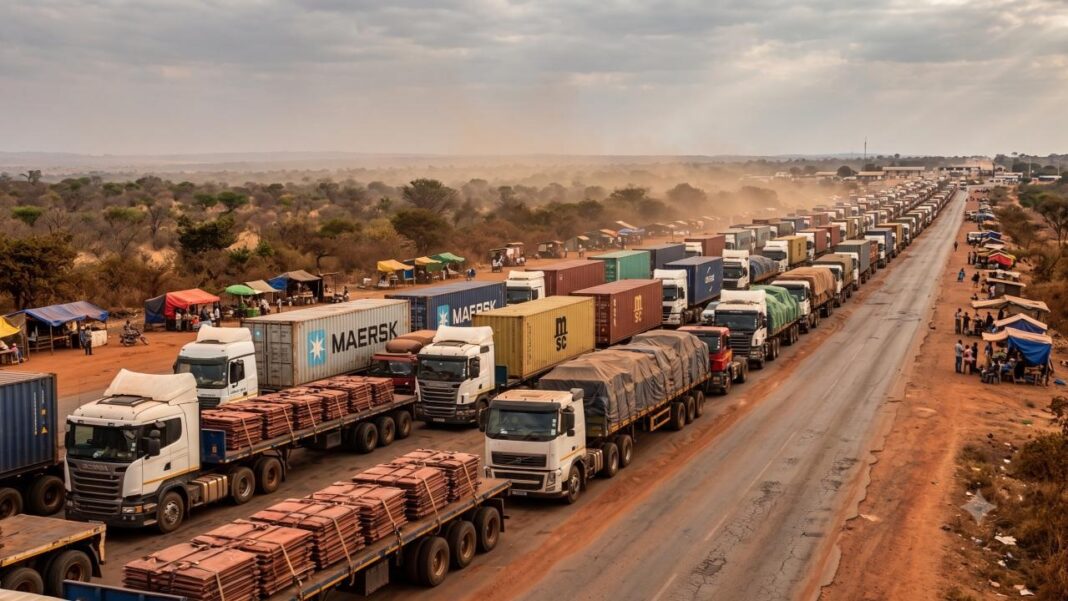
Africa’s ambitions to expand intra-African trade will depend not only on transport infrastructure, but also on more efficient border processes, regulatory cooperation, integrated logistics networks and stronger regional partnerships.
These issues were at the centre of the inaugural Bidvest International Logistics (BIL) Africa Symposium in Johannesburg, South Africa, where industry stakeholders explored the practical challenges businesses face when operating across African markets.
Held under the theme Unlocking Africa’s Trade Corridors, the symposium examined how businesses can improve supply chain efficiency, navigate cross-border complexities and capitalise on opportunities arising from regional economic integration.
Tebogo Mpanyane, Head of Africa at Bidvest International Logistics, said the event was intended to move discussions beyond Africa’s economic potential towards practical solutions addressing the realities of doing business across the continent.
“The purpose of the symposium is not simply to understand Africa in theory, but to understand the realities businesses face and collectively build practical solutions with our partners. Our aim is to create faster, easier and more integrated routes into markets across the continent,” Mpanyane said.
Border processes and regulatory challenges remain barriers to trade
While investment in roads, ports, warehousing and transport infrastructure remains fundamental to improving trade connectivity, businesses operating across African markets continue to face a range of operational challenges.
Differences in customs procedures, regulatory requirements, tariffs, non-tariff barriers, currency arrangements and payment systems can complicate cross-border operations, increase costs and create uncertainty for supply chains.
Addressing these challenges will require closer cooperation between governments, logistics operators, regional institutions and businesses to make trade processes more predictable and efficient.
For companies expanding into new African markets, understanding local operating conditions, regulatory frameworks and commercial environments is increasingly important when planning supply chains and distribution networks.
Integrated logistics solutions increasingly important
The symposium also highlighted the importance of logistics providers in helping businesses navigate Africa’s diverse markets.
Beyond the physical movement of cargo, logistics companies can support market access through regional knowledge, customs expertise, supply chain coordination and integrated transport and distribution solutions.
Reliable market intelligence and established regional networks can help companies identify opportunities, manage operational risks and develop more efficient routes to market.
For Bidvest International Logistics, combining regional expertise with integrated logistics capabilities is part of its approach to helping customers navigate cross-border trade and connect supply chains across the continent.
Marcus Ellappan, Director of Overland Logistics at BIL, said businesses must recognise the operational complexities of doing business across Africa while developing practical approaches to accessing markets.
“Africa has enormous growth potential, but doing business across the continent comes with real operational complexity. BIL’s role is to help businesses connect across African markets through practical, integrated logistics solutions that turn opportunity into commercially viable trade,” Ellappan said.
AfCFTA offers opportunities for regional supply chains
The African Continental Free Trade Area (AfCFTA) was another key focus of the discussions, with participants examining its potential to strengthen regional supply chains and increase trade in African-produced goods.
The continental trade agreement provides a framework for reducing trade barriers and supporting the development of a more integrated African market.
However, translating its objectives into practical commercial benefits will depend on improvements in customs coordination, border efficiency, infrastructure connectivity and the removal of non-tariff barriers that continue to affect businesses operating across multiple markets.
Greater collaboration between governments, regional organisations and the private sector will also be important in enabling businesses, including small and medium-sized enterprises, to participate more effectively in intra-African trade.
The symposium featured contributions from Lwazi Mboyi, CEO of the Cross-Border Road Transport Agency, and Professor Bartholomew Armah, Senior Economic Advisor at AUDA-NEPAD, who shared perspectives on Africa’s trade opportunities and the challenges facing continental economic integration.
Strengthening Africa’s trade corridors
As businesses increasingly explore opportunities beyond their domestic markets, the efficiency of Africa’s trade corridors will remain a critical factor in determining the competitiveness of regional supply chains.
Improving connectivity will require coordinated efforts to address infrastructure gaps, streamline border processes, strengthen regulatory cooperation and expand access to integrated logistics services.
The discussions at the inaugural BIL Africa Symposium underscored the importance of treating trade corridor development as more than a transport infrastructure challenge.
For businesses seeking to expand across African markets, the ability to move goods efficiently, navigate regulations and establish reliable supply chain networks will be central to unlocking the continent’s growing commercial opportunities.
Also Read
- East Africa Eyes New Rail Freight Corridor Linking Tanzania, Uganda and Eastern DRC
- South Africa’s Inflation Rises to 5.2%: What It Means for Transport, Logistics and Supply Chains
- CMA CGM Launches Dedicated Rail Freight Service Linking Mombasa Port to Nairobi ICD

- Bidvest International Logistics Symposium Highlights Challenges to Unlocking Intra-African Trade - November 23, 2026
- How Beira Grain Terminal is Strengthening Southern Africa’s Bulk Logistics Corridors - November 20, 2026
- CMA CGM Launches Dedicated Rail Freight Service Linking Mombasa Port to Nairobi ICD - November 19, 2026