

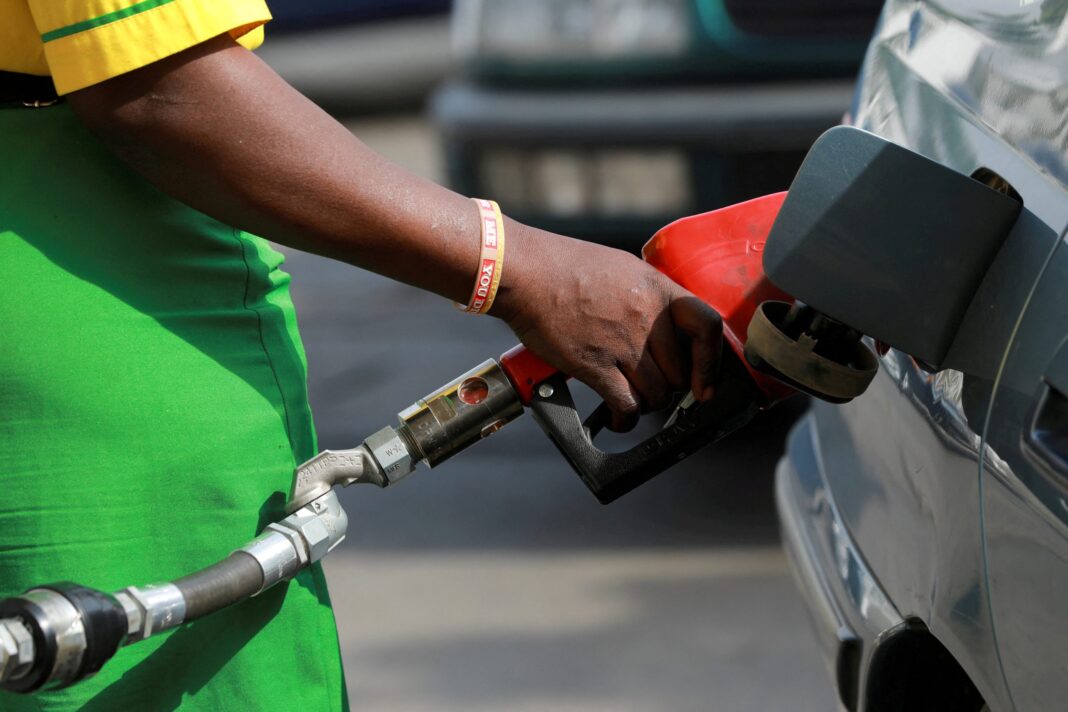
The Nigerian National Petroleum Company Limited (NNPC) has announced a reduction in petrol prices nationwide, bringing some relief to consumers amidst rising living costs.
Petrol, which was previously sold at prices ranging between N1,025 and N1,040 per litre, will now be available at N1,015 per litre, marking a modest reduction of N10. The nation’s oil company has also implemented a price cut at its retail outlets in the Federal Capital Territory (FCT).
Price Reduction in the FCT
In the FCT, NNPC retail stations have lowered their petrol pump price from N1,060 per litre to N1,040, representing a N20 decrease. This adjustment underscores the company’s effort to balance affordability with operational sustainability in the face of fluctuating global oil prices.
Reasons Behind the Reduction
According to NNPC, the price review reflects improvements in operational efficiencies and recent trends in the international crude oil market. The decision also aligns with the company’s commitment to easing the financial burden on Nigerians while ensuring uninterrupted fuel supply across the country.
Stakeholder Reactions
The reduction has sparked reactions from various quarters. Motorists and business owners in the FCT expressed cautious optimism, noting that while the price cut is appreciated, the cost of fuel remains high compared to previous years.
“This is a step in the right direction, but we hope for further reductions in the near future to make life more affordable for Nigerians,” said John Okoye, a taxi driver in Abuja.
Economic Implications
The reduction is expected to slightly ease transportation costs, which may have a downstream impact on the prices of goods and services. Analysts, however, caution that the current price levels are still a challenge for many Nigerians and call for a comprehensive strategy to stabilize the downstream petroleum sector.
NNPC’s Commitment
NNPC has assured Nigerians of its commitment to maintaining fuel availability and affordability while exploring more sustainable energy solutions. The company is also working to enhance its supply chain efficiencies to cushion consumers from global market volatility.
The price adjustment, though modest, provides a glimmer of hope for Nigerians as they navigate the country’s economic challenges. Whether this reduction will lead to more significant changes in fuel pricing remains to be seen.
Also Read
Top crypto exchange platforms with the lowest fees
Top AI tools revolutionizing warehousing efficiency

